
Как повысить производительность двухшнекового экструдера
В области переработки пластмасс и модификации полимеров лабораторные двухшнековые экструдеры стали незаменимым оборудованием для исследований и разработок. Высокая регулируемость, возможность точного контроля и многофункциональное применение привели к их широкому использованию в лабораториях. Конструкция и оптимизация шнека являются ключевыми факторами в достижении максимальной производительности лабораторных двухшнековых экструдеров. В этой статье мы подробно рассмотрим, как конструкция шнека может улучшить производительность двухшнековых экструдеров, помогая лабораториям добиться эффективной и стабильной обработки.
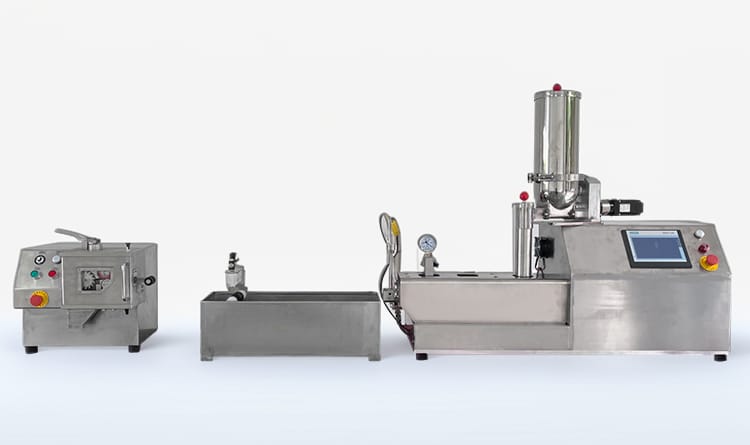
1. Основная структура и принцип работы Двухшнековые экструдеры
В лабораторных двухшнековых экструдерах для транспортировки и обработки материала обычно используются два вращающихся в противоположных направлениях шнека. По сравнению с одношнековыми экструдерами двухшнековые экструдеры обладают такими преимуществами, как лучшее перемешивание материала, более равномерное течение расплава и более высокая эффективность обработки. Двухшнековая конструкция обычно является модульной, что позволяет заменять различные элементы шнека для удовлетворения различных требований к переработке.
Конструкция шнека обычно разделена на несколько функциональных секций, таких как секция подачи, секция транспортировки твердых частиц, секция плавления, секция смешивания и секция выпуска воздуха. Сочетание и конструкция элементов шнека в каждой функциональной секции напрямую влияют на общую производительность экструдера.
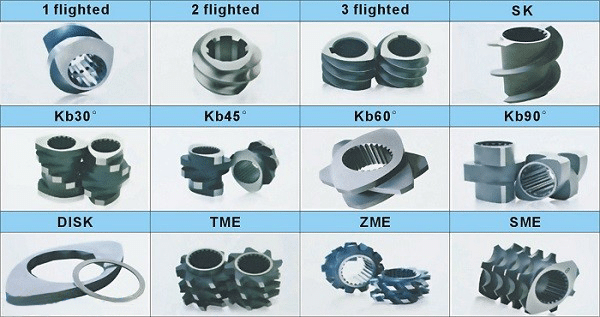
2. Конструкция шнека секции подачи
Секция подачи - важнейшая часть лабораторного двухшнекового экструдера, отвечающая за бесперебойную подачу материалов на последующие участки обработки. Наиболее важным аспектом конструкции шнека загрузочной секции является обеспечение плавной подачи материала. Здесь обычно используются шнековые элементы с большим передним ходом, увеличивающие объем канала шнека для размещения большего количества материала и повышения производительности.
В практическом применении конструкция шнека загрузочной секции должна отвечать требованиям различных материалов. Например, для порошков с низкой плотностью и волокнистых материалов шнековые элементы с большим шагом и большей глубиной винтового канала обеспечивают плавную подачу таких материалов, предотвращая их засорение или заклинивание. Кроме того, экспериментальные данные показывают, что винтовые элементы с большим шагом могут повысить эффективность транспортировки в загрузочной секции, обычно увеличивая производительность транспортировки материала на 20%-30%.
3.Конструкция шнека секции транспортировки твердых частиц
Основная задача секции транспортировки твердых частиц - перемещать добавляемый твердый материал по шнеку, одновременно способствуя его плавлению и пластификации за счет уплотнения или увеличения наполнения материала. В этой секции конструкция шнека должна сочетать элементы с крупной и мелкой резьбой для постепенного сжатия объема материала.
Экспериментальные данные показывают, что конструкция шнека, переходящая от большого к малому свинцу, эффективно уплотняет материал. При транспортировке гранулированных материалов такая конструкция повышает эффективность сжатия, позволяя материалу достичь более высокой плотности заполнения во время транспортировки, тем самым ускоряя процесс плавления.
4. Конструкция шнеков в секции плавления и пластификации
Секция плавления и пластификации - одна из самых ответственных частей двухшнекового экструдера. Ее основная задача - превращение твердых материалов в однородный расплав за счет механического сдвига и внешнего нагрева. Конструкция шнека в секции плавления должна эффективно преобразовывать механическую энергию в тепловую и обеспечивать равномерное плавление материала.
Для достижения эффективного плавления в плавильной секции часто используется комбинация зацепляющих блоков, элементов с обратной резьбой и асимметричных элементов с крупной свинцовой резьбой. Благодаря синергетическому эффекту этих элементов можно увеличить усилие сдвига, что повышает скорость плавления материала. Данные показывают, что лабораторные двухшнековые экструдеры, использующие эту конструкцию, имеют на 40%-50% более высокую эффективность плавления по сравнению с традиционными конструкциями.
Кроме того, использование элементов с обратной резьбой позволяет поддерживать расплав под соответствующим давлением, избегать чрезмерного повышения температуры и тем самым снижать риск термической деструкции полимера.
5. Конструкция винта в выхлопной секции
Вытяжная секция в первую очередь удаляет газы, влагу и другие примеси из материала с помощью высокой температуры и давления. Эта секция имеет решающее значение для обеспечения чистоты и качества конечного продукта. Снижение плотности наполнения материала и увеличение площади свободной поверхности позволяет эффективно выводить влагу, воздух и летучие вещества. Для достижения этой цели в вытяжной секции часто используется комбинация резьбовых элементов с большим свинцом и уплотнительных элементов.
Резьбовые элементы с крупными свинцовыми головками позволяют создать более тонкий слой расплава и обеспечивают достаточное время и пространство для выхода газа. Экспериментальные данные показывают, что конструкция выпускной секции эффективно снижает содержание влаги и летучих веществ в материале, обычно уменьшая влагу и летучие компоненты на 10%-20%, что обеспечивает качество продукции.
6. Конструкция шнеков в секции смешивания: Улучшение однородности материала
Секция смешивания лабораторного двухшнекового экструдера является критически важным участком для обеспечения равномерного диспергирования материала. Конструкция шнека в секции смешивания, использующая комбинацию зацепляющих блоков, турбинных смесительных элементов и элементов с противорезьбой, может значительно улучшить интенсивность смешивания и эффект диспергирования материала. Согласно лабораторным данным, использование турбинных смесительных элементов и многоголовочных месильных блоков эффективно уменьшает размер частиц материала, как правило, на 30%-40%. Это очень важно для обеспечения однородности полимерных смесей.
7. Влияние конструкции винта на производительность Лабораторные двухшнековые экструдеры
Экспериментальные данные показывают, что конструкция шнека оказывает значительное влияние на производительность лабораторных двухшнековых экструдеров. Хорошо спроектированный шнек может повысить эффективность транспортировки материала, однородность расплава, эффект смешивания и эффективность вентиляции. Неправильная конструкция может привести к перегрузке оборудования, повышению температуры и неоднородности расплава, что негативно скажется на качестве конечного продукта.
Например, некоторые эксперименты показали, что оптимизированная конструкция двухшнекового вала может сократить время плавления более чем на 40% и увеличить производительность транспортировки материала на 10%-20%. Одновременно хорошо спроектированная система вентиляции может эффективно снизить содержание влаги в материале, уменьшая риск образования пузырьков.
 Russian
  English
  Arabic
  Spanish
  French
  German